Features
Recurring monitoring and a difference report
A report is a snapshot. Monitoring answers the question that follows it: did what we did actually work.
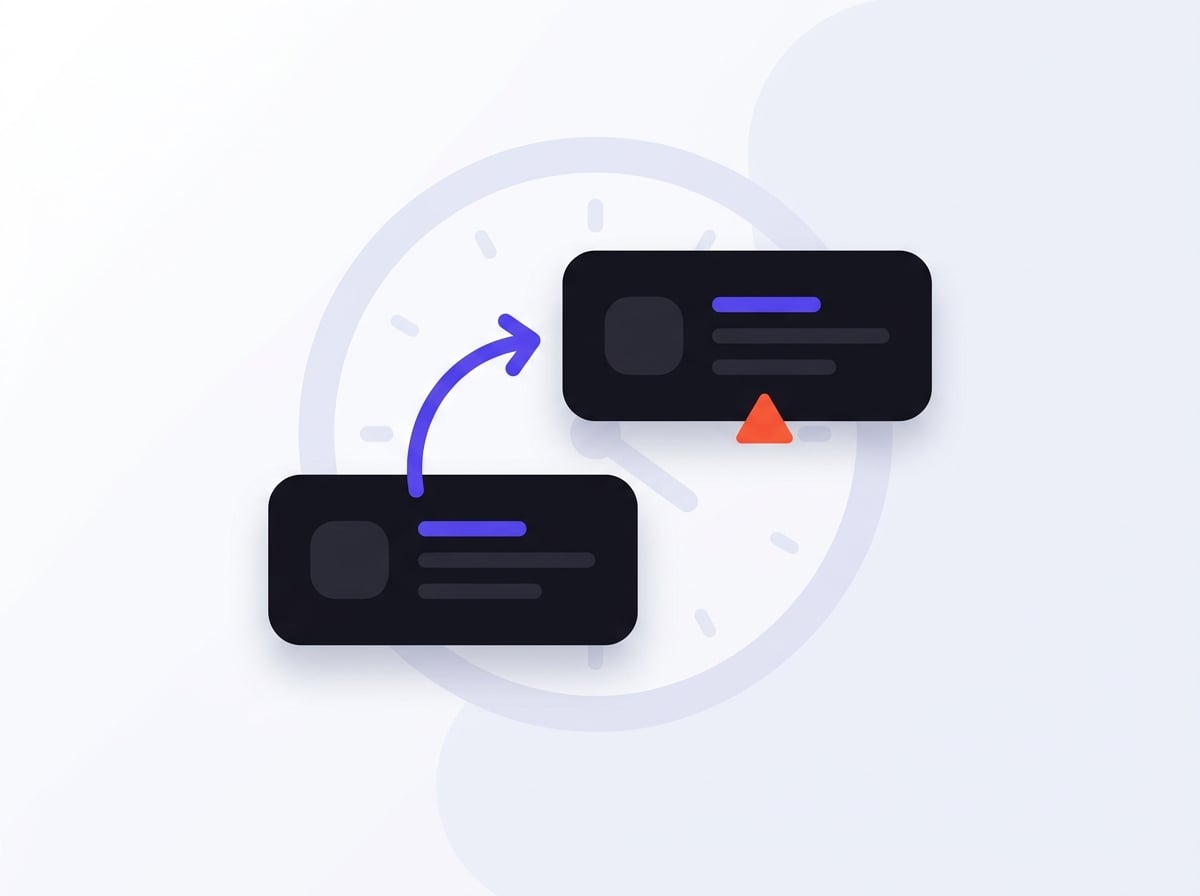
What monitoring checks
Monitoring pulls new reviews, classifies them and sets them against the previous run. The result is not another full report but a list of differences: which problems grew, which went quiet, what appeared for the first time. You pay when reviews actually arrived — a check with no new data costs nothing.
An alert when something grows
A rising share of complaints on one topic across periods is an earlier signal than a falling average. The average moves only once things are already bad.
Proof that a fix worked
A task on the fix list has an expected effect. Monitoring shows whether it happened — and that is the only available evidence that the money did anything.
No double fetching
A profile pulled recently is not pulled again. The review cache is shared between accounts, so a second customer does not pay for the same scrape.
Step by step
What one monitoring run looks like
-
1
Checking the increment
Monitoring asks the platforms for reviews new since the last run. If nothing arrived, it stops there and consumes no credits.
-
2
Classifying new statements
New reviews go through the same classification as a full analysis — same categories, same thresholds. Without that, comparing periods would compare two different measures.
-
3
Setting it against the previous state
The complaint share per topic is compared with the previous period. The output is a list of differences, not another full report.
-
4
An alert, or silence
A notification arrives only when something grew or a new topic appeared. A "nothing changed" email stops being read within a month, so we do not send it.
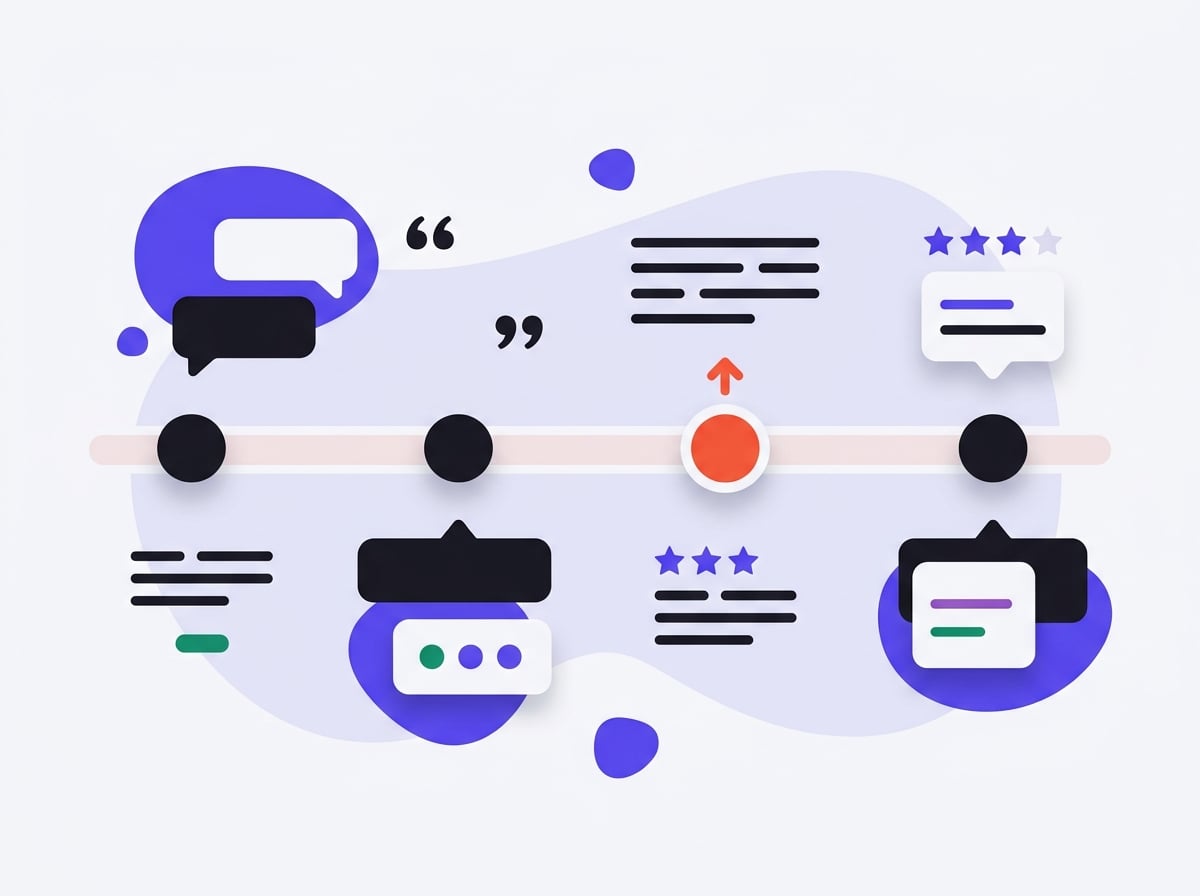
In practice
A signal that preceded the ratings drop by two months
At a leisure venue the share of complaints about changing-room cleanliness rose across three consecutive periods: from 4% through 7% to 11%. The star average moved 0.05 in that time — little enough that nobody noticed. The alert went out in the second period, two months before the difference became visible in the rating.
2 months
earlier than the drop in the average. The complaint share reacts faster because it is not diluted by reviews that never mention the topic.
Why it works this way
Why a difference instead of a full report
Nobody reads a full report every week — by the third one it looks the same as the last and ends up in a browser tab. A list of differences fits on one screen and answers the one question people open it for: what changed since last time.
Common questions
How often does monitoring run?
Weekly or monthly, depending on the plan and the setting for the location. More often than weekly makes no sense at the usual rate reviews arrive — the difference would be noise.
Does monitoring consume credits?
In proportion to the number of NEW reviews. A check that finds nothing new costs nothing.
Will I be notified when something grows?
Yes, by email, and only then — no weekly "nothing changed" message. A notification that always arrives stops being read within a month.
See also
Be first in when we launch
Join the waitlist. We'll write once, on launch day, with a link to create your account.