Features
Collecting reviews without selection and without risk
The three most popular review collection tools filter out the unhappy. That is prohibited by Google and by law — and it also ruins the data your analysis later stands on.
How it works here
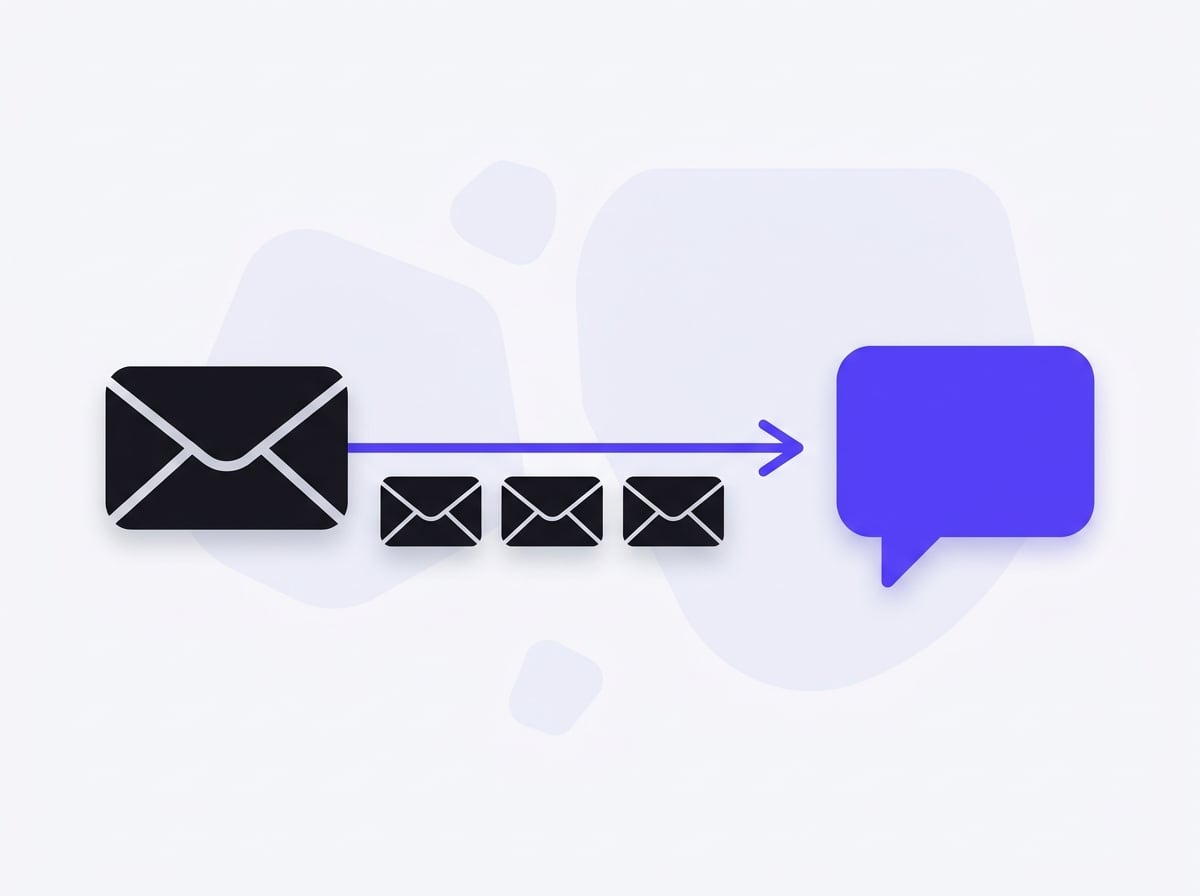
You send an invitation with a single-use link. The form opens straight away, asks for a review and does not branch on the rating. The same invitation text goes to everyone, regardless of how the visit went. Reviews collected this way enter the analysis alongside the public ones.
No "was everything alright?" step
The form does not ask about satisfaction first and does not route the unhappy elsewhere. EU consumer rules prohibit selective collection, and Google Maps policy prohibits selectively soliciting positive reviews.
Single-use token
Without an invitation the form does not exist, so it cannot be flooded from outside. One person, one invitation, one review.
Address deleted after sending
The plain email address disappears the moment the invitation goes out. What remains is an irreversible hash, enough to avoid inviting the same person twice.
Step by step
From invitation to a review in the analysis
-
1
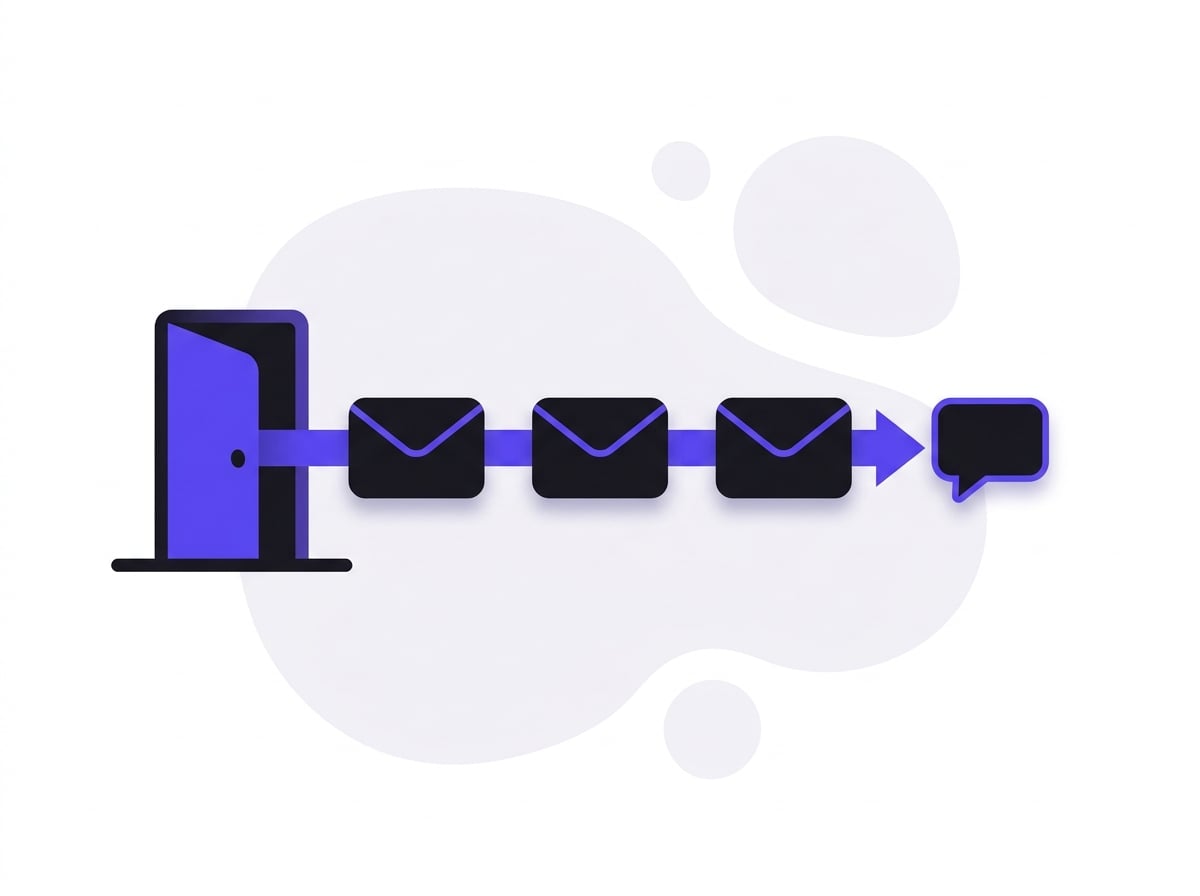
Upload a list or add one by one
Paste email addresses from a spreadsheet or add them individually. Each can carry an order reference — visible in the panel only, never publicly.
-
2
Set the sending moment
The invitation goes out after a delay you set once per location: a few hours for a restaurant, the day after checkout for a hotel, a few days after collection for a garage.
-
3
The guest fills the form
The link opens the form straight away, with no login and no opening question about the rating. The same path for everyone, regardless of how the visit went.
-
4
The review enters the analysis
Collected statements join the same corpus as the public ones and go through the same classification. They appear in the report alongside the rest, marked by source.
In practice
Why asking everyone produces better data
A venue sending invitations selectively had 94% positive reviews and no idea why bookings were falling. After switching to sending to everyone the positive share dropped to 78%, and two topics appeared in the report that had not been visible at all — and those were the ones driving cancellations.
2 topics
appeared in the report only after the selection stopped. Before that they were invisible, because the people writing about them never received an invitation.
Why it works this way
Why selection ruins the data too
Beyond being prohibited, filtering reviews does something worse than earning a penalty: it invalidates the analysis. If only happy customers were asked, the complaint count on a topic says nothing about the scale of the problem — it says something about who was asked. A report built on that corpus looks good and points the wrong way.
Common questions
Can I send invitations only to selected guests?
The best results come from sending to every guest — that is when the data can be counted, and when the profile stays safe under Google Maps policy, which prohibits selectively soliciting reviews.
Where does a review submitted through this form go?
To your account and into the analysis. This is not publishing on Google Maps — only the author can do that, on the profile, outside our system.
How many invitations can I send?
Twenty per hour per organisation. That is not a sales limit but a safeguard: invitations go to arbitrary addresses, and without a cap they would be a tool for flooding other people's inboxes.
See also
Be first in when we launch
Join the waitlist. We'll write once, on launch day, with a link to create your account.