Review analysis for venue owners
Five things to fix. In this order.
The report does not end with a paragraph about caring for quality. It ends with a task list carrying a deadline, a cost and the number of complaints each one removes.
Within a week
Quick wins
Publish a daily attraction availability schedule
Hourly changing-room cleaning checks
Within 30 days
Moderate effort
Align the price list online and at the desk
One-page answer sheet for the front desk
Beyond 30 days
Larger projects
Online tickets with a timed entry window
The rest waits until a slot frees up
52%
of Google reviews are a star rating with no words at all. We count them in the statistics but draw conclusions only from reviews with text — and we say so in the report.
days
is what it takes to read a few thousand reviews by hand. Mutterbox does it in minutes and shows which complaints repeat.
3 sources
minimum for a problem card, plus at least one verified quote. A one-off incident never reaches your to-do list.
Process
How it works
Four steps from connecting a venue to a finished report. The longest one — pulling the entire review history — happens without you.

-
Step 1
Point at your venue
Add a company and a location, then connect its profile on a review platform.
-
Step 2
We fetch the full history
Not the last ten reviews — every one of them. Later runs fetch only what is new.
-
Step 3
Analysis with verification
The model groups repeated problems; a separate layer checks every quote against the original.
-
Step 4
PDF report
Problem cards with complaint counts and dates, plus recommendations across three time horizons.
What you get
A report that ends in a task list
Not "sentiment analysis" and not a word cloud. Specific problems with complaint counts, specific advantages with praise counts, and a quote under every sentence.
A fix list ordered by deadline
Every task carries the number of complaints it removes, an estimated cost and an implementation time. Order within a column follows complaint count, so the top item is what hurts the most people — not what sounds most interesting.
- Three horizons: within 7 days, within 30 days, beyond 30 days
- Each task states its expected effect, not a platitude
- Severity and confidence computed from data, not declared by the model
Check-in takes longer than the promised 15 minutes
The complaint recurs all year and peaks on Fridays and on conference days. Guests do not write about the waiting itself, but about nobody telling them how long it will take.
„We waited at reception for over an hour despite a booking. Nobody could say how much longer it would take" Google · 14.03.2026 · review #48211
Staff remember guests and greet them by name
The most praised area, mentioned independently across three sources. It recurs in reviews from returning guests — exactly where the next booking is decided.
„This is our third year in a row. The staff remember guests by name, which is rare these days" Google · 19.07.2026 · review #51044
↻ What to keep: greeting returning guests by name at check-in
Strengths — what drives the positive reviews
The second half of the report answers the question nobody asks until it is too late: what to keep. Advantages disappear quietly, because nobody files a complaint about something that stopped being good.
- Scale "X of Y reviews with praise" and the trend over time
- A "what to keep" sentence on every advantage
- Contested areas flagged when the same topic returns on both sides

Four platforms in one report
Google Maps, Facebook, TripAdvisor and Booking.com. Averages are compared only within one platform — a 1–5 scale and a 1–10 scale are not the same scale.
Read →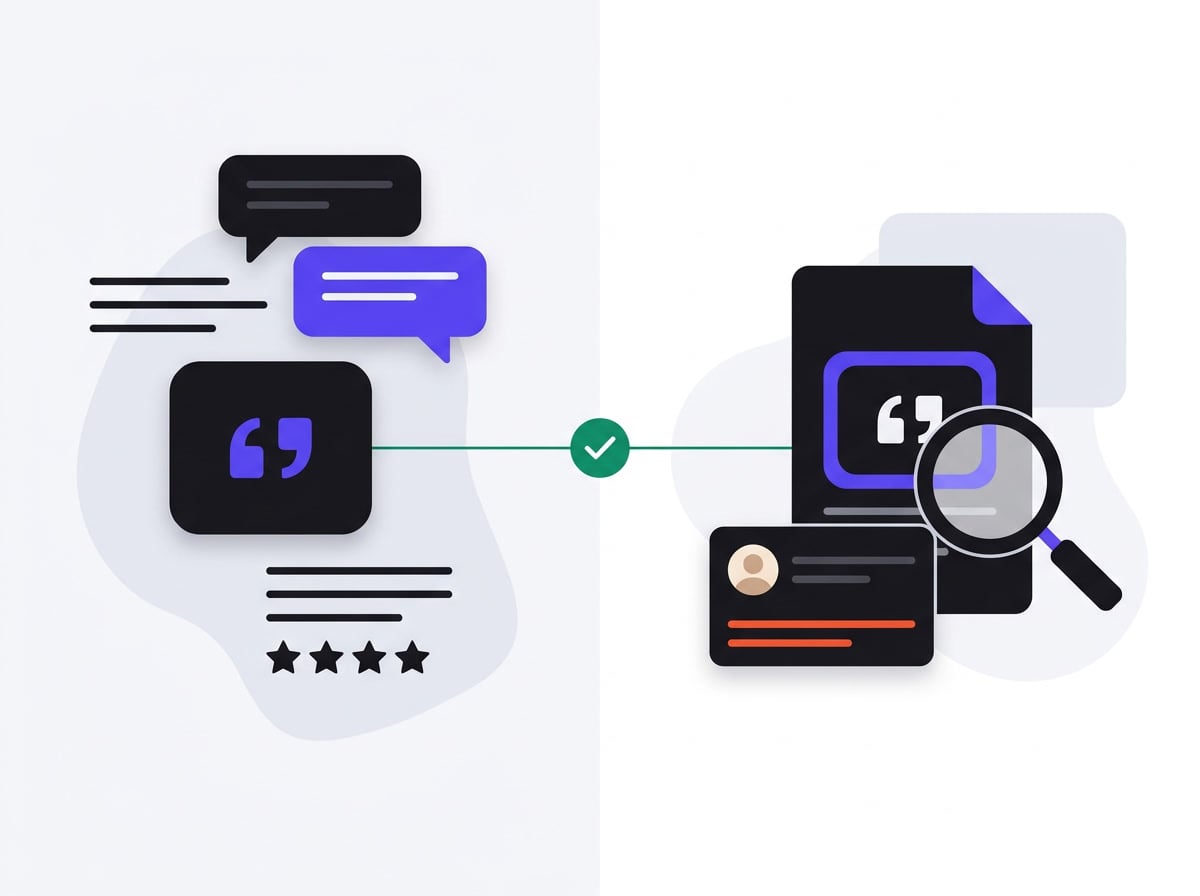
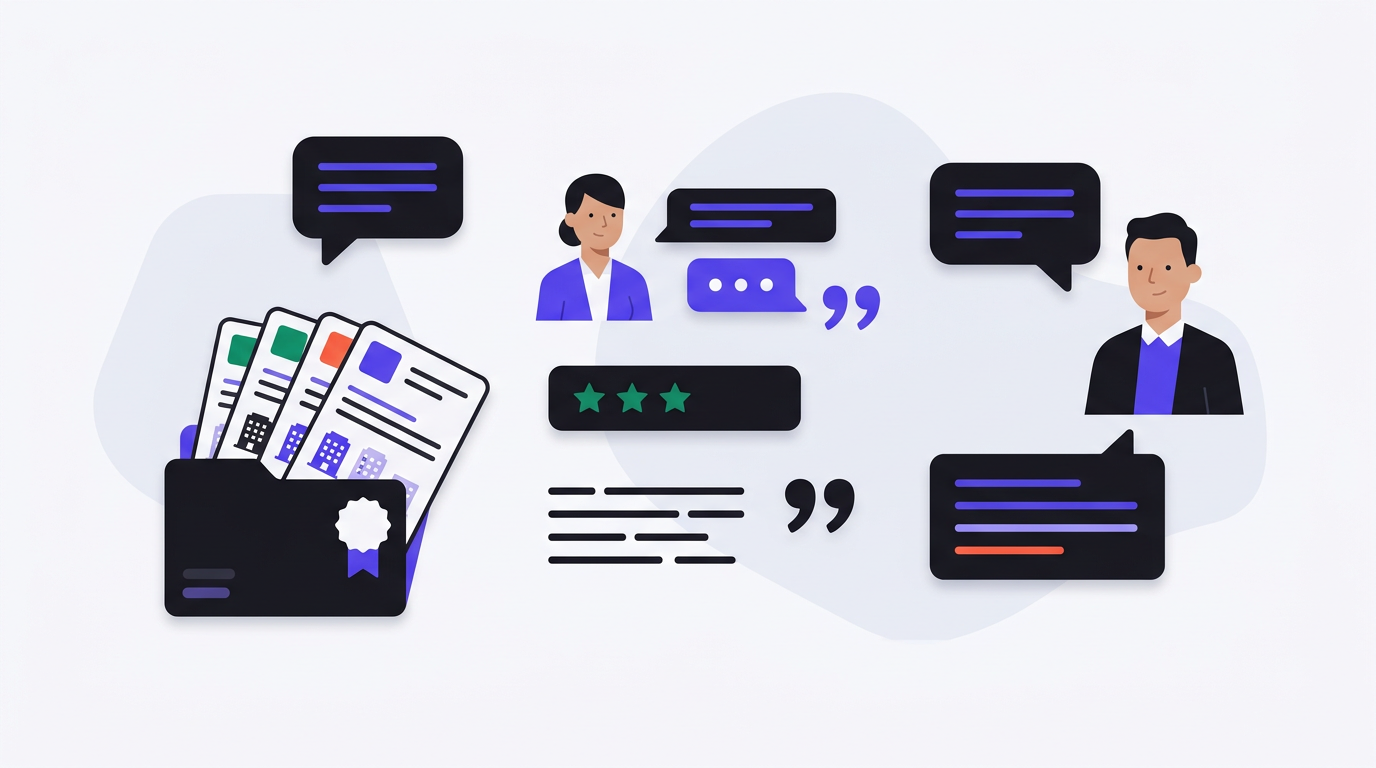
Quotes cut from the original
A separate layer cuts every quote from the review and compares it character by character. A fragment missing from the original drops out together with the card that rested on it.
Read →
Scheduled monitoring
A weekly or monthly check of what changed, with a difference report. You pay only when reviews actually came in.
Read →
Competitor comparison
Up to five venues you choose. Competitors get no recommendations — the commentary is built from metrics alone.
Read →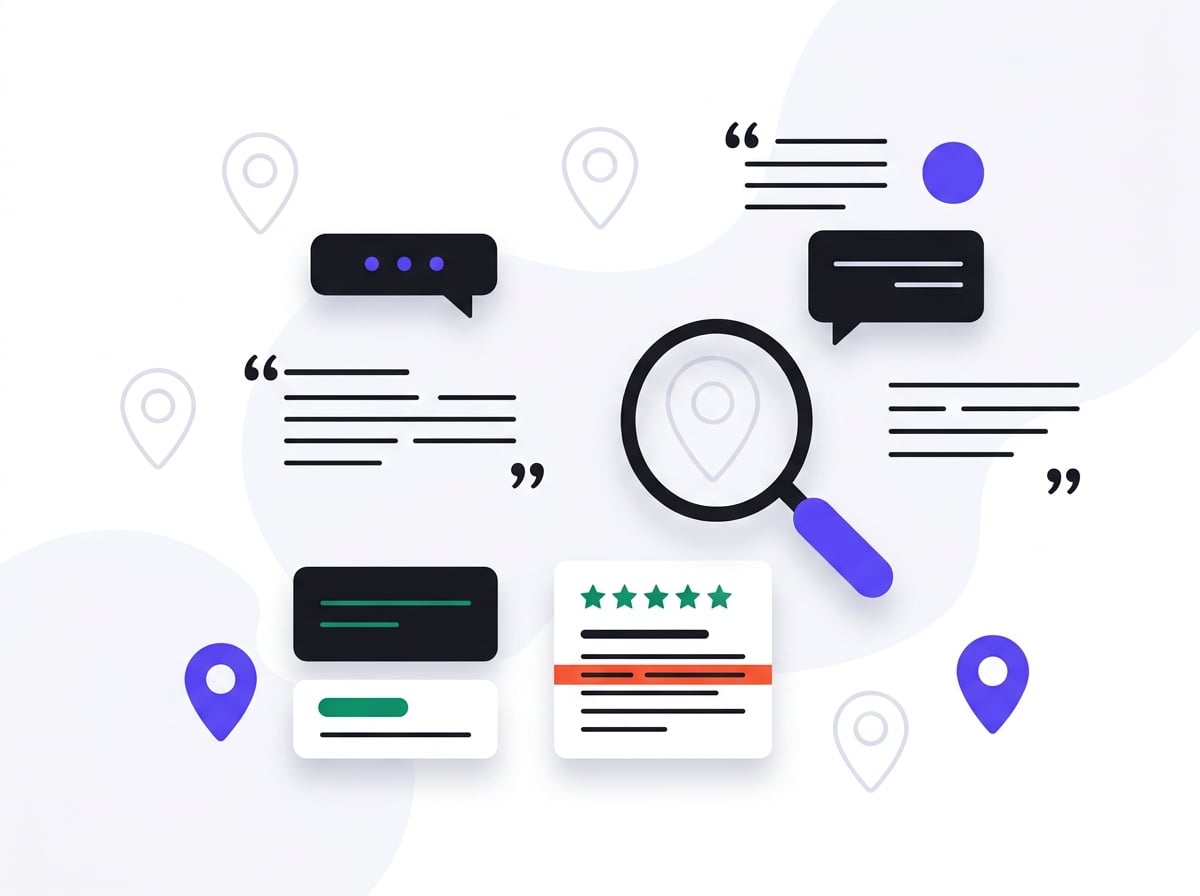
Where else your reviews live
A list of places companies usually miss — employer sites, B2B directories, Apple Maps — each with a ready search link, plus ways to collect more reviews.
Read →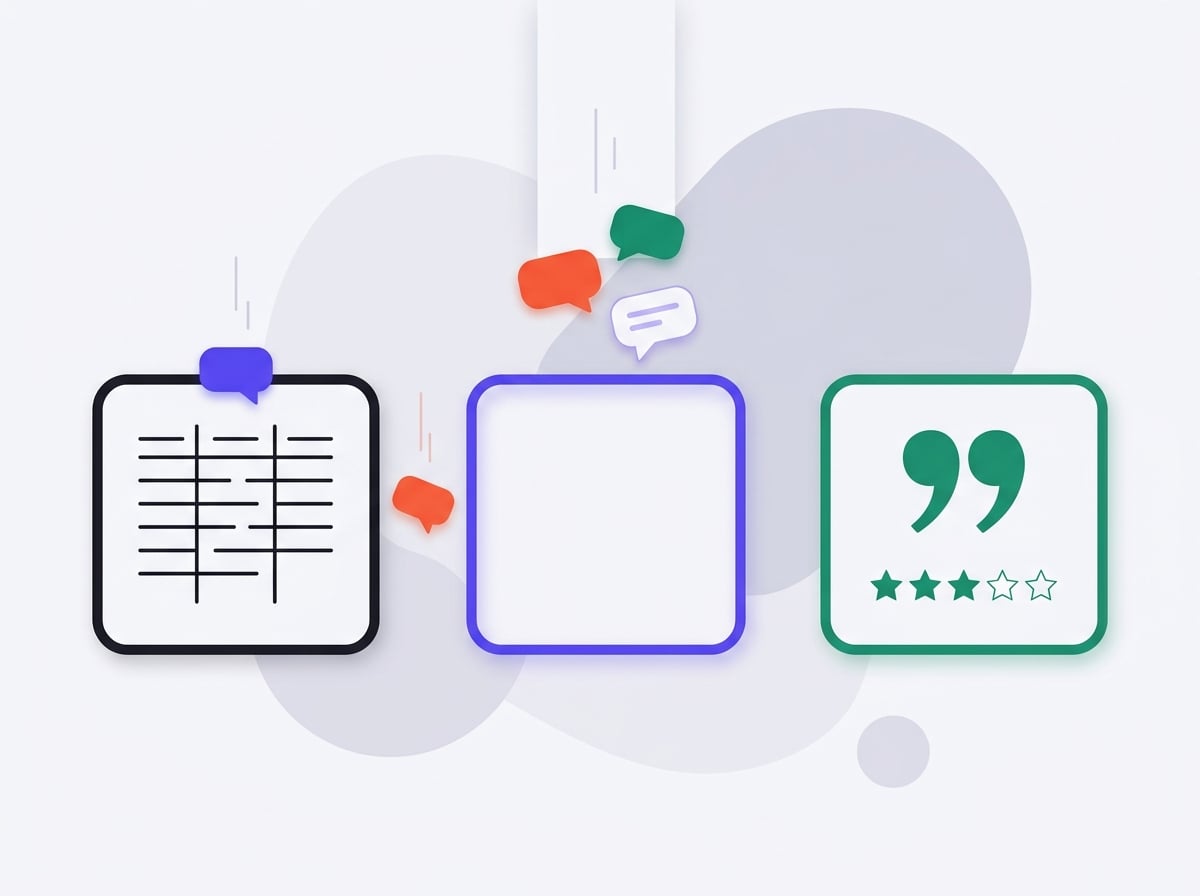
Your own categories
A furniture maker wants "installation" and "delivery dates", a clinic wants "phone bookings". Add your own categories and the analysis starts using them.
Read →
PDF, CSV and a shareable link
A report for the board, data for a spreadsheet, a link for an agency client. Source quotes in a separate file.
Read →Team and roles
Owner, admin, analyst and viewer. An analyst can be limited to selected companies — useful in an agency.

Read-only API
The token sets identity and organisation at once. No writes: running analyses remotely would spend credits without confirmation.
Read →Method
Why you can trust it
A report from a language model is worth exactly as much as your ability to check it. Mutterbox is built around one rule.
Numbers come from the database
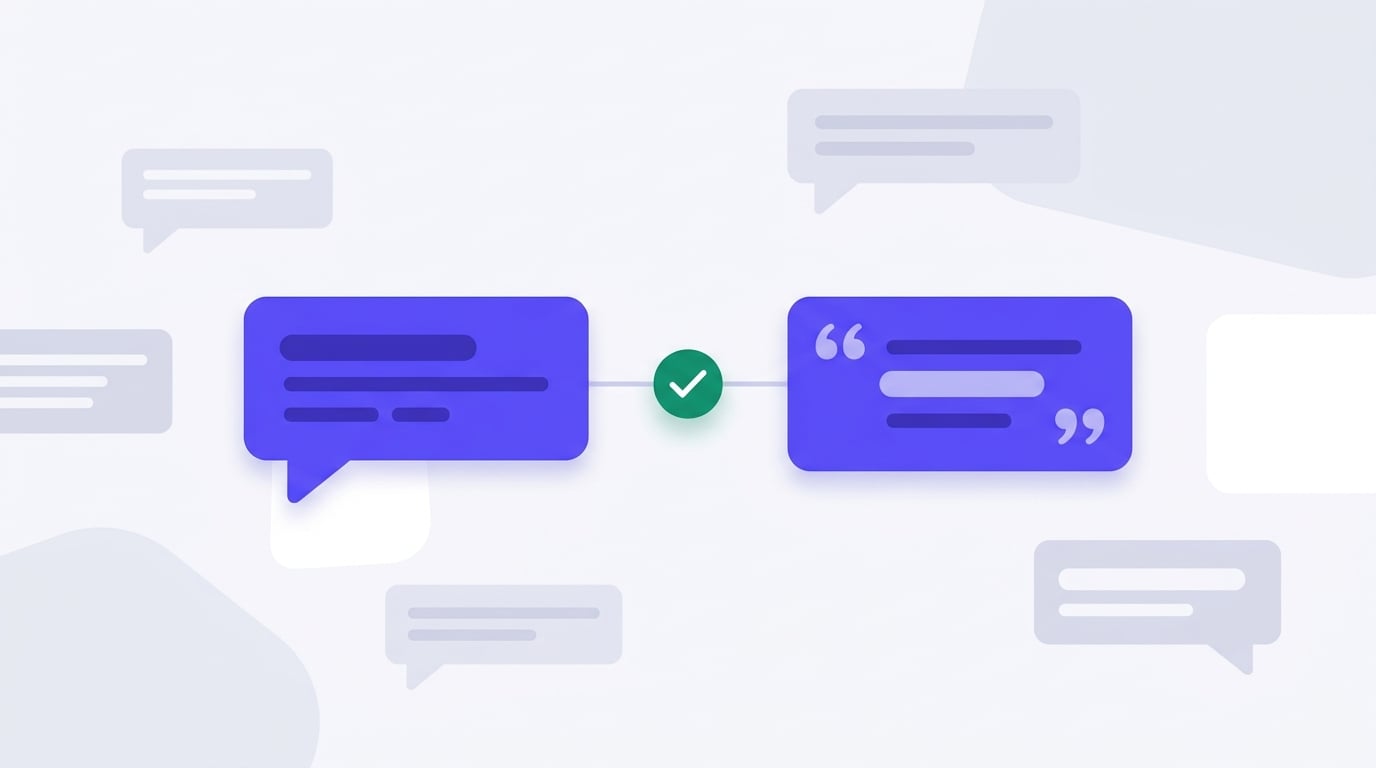
The model never produces a single number that reaches the report. Complaint counts, dates and percentages come from SQL.
Quotes verified literally
A quote is a character range in a specific review, not text from the model. A fragment absent from the original does not pass.
Trend measured as a share
A "rising" problem means a rising share of complaints, not a rising count — otherwise every problem would look rising in a growing venue.
„Felt like a water park from another era, everything old and the outdoor pool was barely heated."
Plans
Pricing
You pay for reports, not for access. Accounts and browsing reviews are free.
Overview
free
The full review browser, metrics and workflow — no fee, no card.
- Every review in one place, with filters and search
- Metrics computed from your data: rating spread, seasonality, response time
- Tags, notes and statuses — your work on reviews, written down
Start
One venue, a report each quarter.
- 1 location
- 6 reports per month
- PDF report and share link
Pro
Most popularA chain, or several venues you look after.
- Up to 10 locations
- 19 reports per month
- Competitor analysis and monitoring
Agency
Many clients and a team with scoped access.
- Unlimited locations
- 58 reports per month
- Your own logo on reports
Be first in when we launch
Join the waitlist. We'll write once, on launch day, with a link to create your account.
Join the waitlist